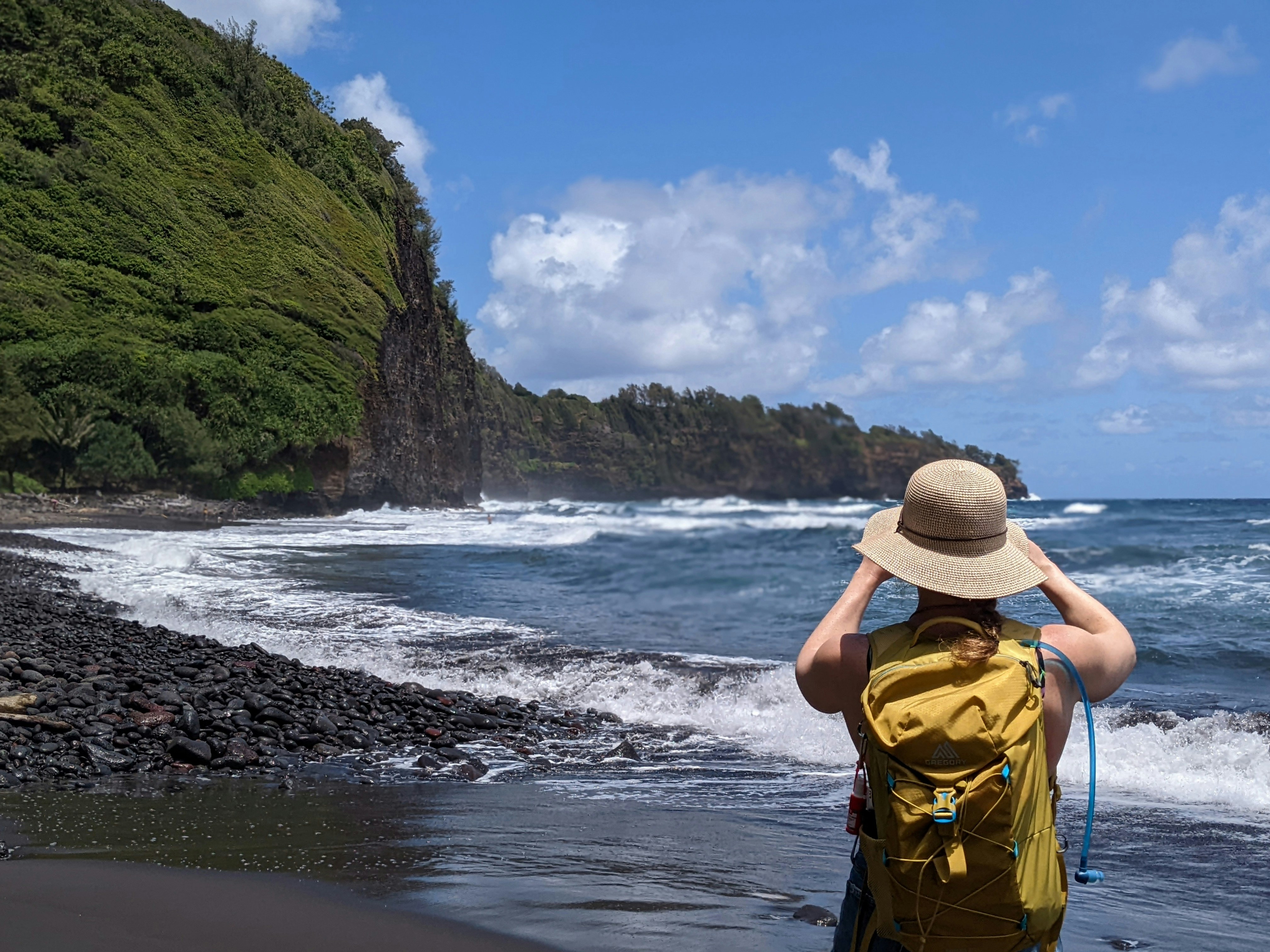
Solo travel is one of the most rewarding decisions you can make. There's nothing quite like having a trip that's entirely yours — your pace, your itinerary, your meals, your instincts. But if you've never done it before, the planning process can feel like a lot.
Where do you even start? Is it safe? How do you know if you're picking the right destination? What happens if something goes wrong?
These are exactly the right questions to be asking. Here's how to think through them.
Start with the right destination — not the most Instagrammed one
One of the biggest mistakes first-time solo travelers make is choosing a destination because it looks beautiful online, not because it's actually suited to solo travel. For your first trip, choose somewhere that's logistically easy: good transit, walkable neighborhoods, a welcoming culture, and plenty of options if something doesn't go as planned.
Some destinations are genuinely great for solo women travelers. Others require more preparation, local knowledge, or comfort with ambiguity. Knowing the difference before you book matters.
For a first solo trip, I often recommend destinations in Western Europe, Japan, Canada, or certain parts of Latin America — places where English is widely spoken or where the infrastructure makes navigation easy even without it.
Decide how much structure you actually want
Solo travel doesn't have to mean winging it. Some people thrive on total flexibility. Others feel more comfortable with a clear daily plan. Both are valid — the mistake is not knowing which one you are before you leave.
Think about what makes a trip feel good for you. If the idea of showing up somewhere without a confirmed place to stay sounds exciting, lean into it. If it sounds stressful, build more structure in. A good travel advisor can help you find the balance that actually fits your personality, not just what a travel blog tells you "real solo travelers" do.
Safety: what actually matters
Safety for solo women travelers is a real consideration — and it's worth taking seriously without letting it paralyze your planning.
A few things that actually matter:
- Where you stay matters a lot. A well-located hotel or centrally-placed accommodation can make an enormous difference in how safe and comfortable you feel moving around.
- Share your itinerary with someone. A trusted person at home should know where you're staying and how to reach you.
- Trust your instincts. If something feels off, it's okay to leave, say no, or change your plans. You don't owe anyone an explanation.
- Blend in where possible. Research local norms for dress and behavior — not to erase yourself, but to reduce unnecessary attention in unfamiliar places.
What a travel advisor can do that Google can't
Planning a solo trip involves a lot of decisions that feel small but add up: which neighborhood to stay in, which hotel has 24-hour front desk staff, which areas to avoid after dark, how to get from the airport without overpaying or feeling vulnerable.
A good travel advisor who specializes in solo women travel has done this research. They've vetted accommodations, read the reviews worth reading, and know what questions to ask on your behalf. That's not just convenient — for a first solo trip, it can mean the difference between a trip you loved and one you spent half of feeling anxious.
The most important thing
Go. Plan carefully, choose thoughtfully, and then go.
The women I've worked with who've taken their first solo trip almost universally come back and say the same thing: they wish they'd done it sooner. The planning can feel daunting. The trip itself — almost always — doesn't.
Ready to plan your first solo trip? I'd love to help you do it right.
Start Planning My Trip